DHI Hair
Transplantation
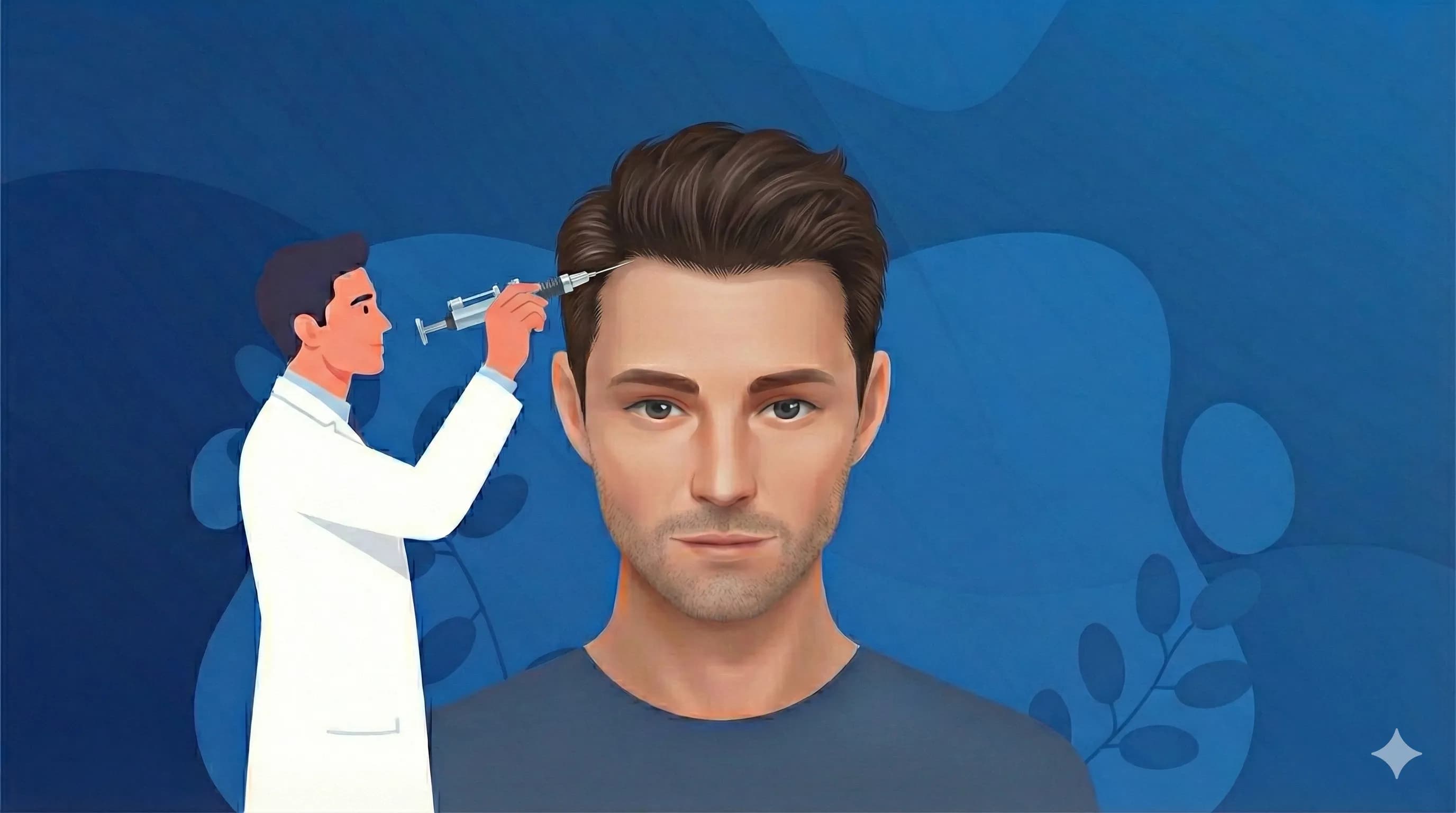
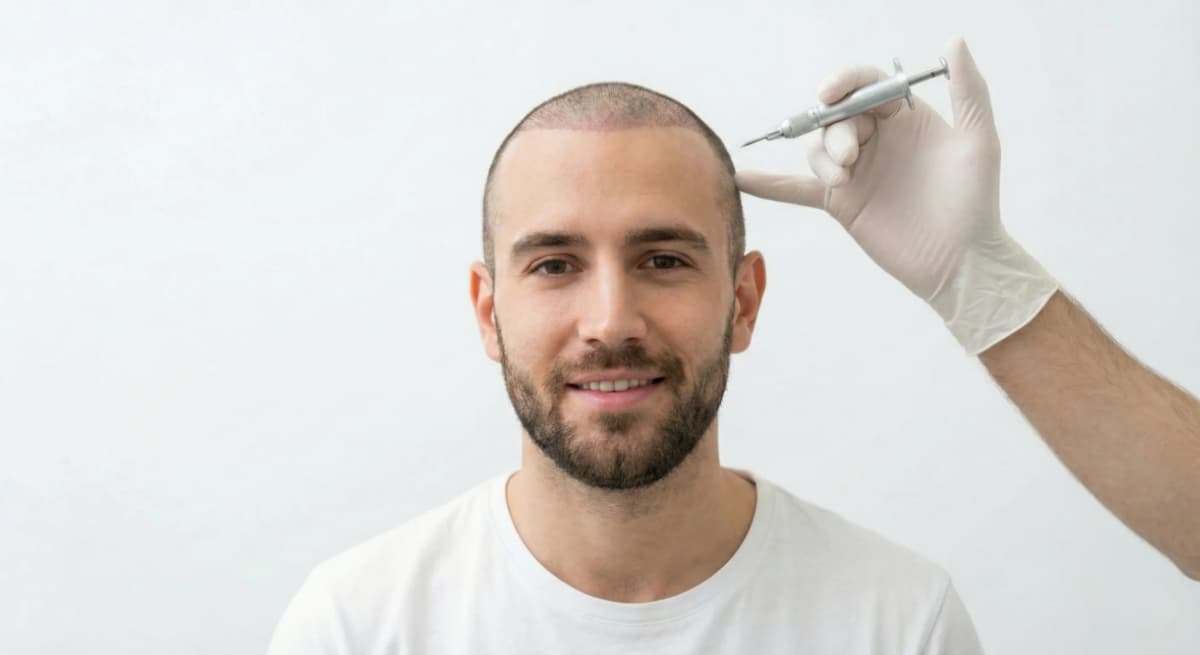
DHI (Direct Hair Implantation) is an advanced technique where hair follicles are directly implanted using a Choi pen. It provides maximum density, a natural appearance, and high control without the need for channel creation.
Choi
Pen Tech
No
Shaving*
Max
Density
What Is DHI Hair Transplantation?
DHI is an advanced version of the classic FUE method. The key difference is that hair follicles are implanted directly without creating channels beforehand. With the help of the Choi implanter pen follicles are placed in a single step. This provides greater control over depth, angle, and direction, resulting in a completely natural look.
Advantages of DHI
Implantation Without Channel Creation
Since hair follicles are implanted directly, there is no need for an additional channel-opening step.
Maximum Density
Denser placement allows for a fuller and more voluminous hair appearance.
Faster Recovery
Minimal tissue damage ensures a quicker and more comfortable healing process.
Quick Return to Daily Life
The time needed to return to social life after the procedure is shorter.
No-Shave Transplant Option
Since implantation can be done between existing hairs, no-shave procedures are possible.
Is DHI right for you?
Get a free analysis with our expert team and find out the most suitable method.
Who Is DHI Suitable For?
DHI is highly effective for specific needs, offering solutions where other methods might fall short.
For Those Who Want Hairline Design
Ideal for creating a natural and well-defined hairline.
For Those Who Want to Increase Density
An effective method for improving density in thinning areas.
For Female Patients
Often preferred by women due to the option of a no-shave procedure.
For Those Who Want Faster Recovery
Suitable for individuals who want to return to daily life quickly.
Your step-by-step hair transplant journey with Choi pen technology.
Consultation
Your hair loss is analyzed and a personalized transplant plan is created.
Preparation
The donor area is prepared. If necessary, only this area is shaved.
Graft Extraction
Hair follicles are extracted one by one using a micro motor and preserved.
Choi Pen Preparation
The collected grafts are carefully loaded into the specialized Choi implanter pen.
Direct Implantation
Hair follicles are implanted directly without creating channels. Angle and direction control are at the highest level.
Recovery & Care
A fast healing process begins and a personalized aftercare plan is applied.
DHI vs FUE Hair Transplantation
Comparison
DHI
Advantages
- Direct implantation without channel creation
- Higher density potential
- Faster recovery process
- Less bleeding
- No-shave transplant option
Considerations
- The procedure may take longer
- Costs may be higher
- The number of grafts per session may be limited
FUE
Advantages
- More cost-effective option
- A higher number of grafts can be transplanted
- Suitable for larger areas
- A reliable method used for many years
Differences
- Requires channel creation
- Recovery time may be slightly longer
- Usually requires shaving
DHI FAQ
Everything you need to know about the DHI method.